
Building a Tech Company's Onboarding Kit: A Sock Story
Sock Club
August 12, 2026
A new hire opens a box on the Monday before their first day. Inside, they find the tools they need, a short welcome note, and a few objects that make the company feel real.
That is the job of a good onboarding kit.
The best kits do more than put a logo on a pile of products. They help someone feel expected. They make the first week easier. They also give remote and in-office employees a shared experience.
Here is how a tech company can build an onboarding kit people will actually use.
Start With the First Week
Before choosing products, think about the new hire's first five days.
What will help them get started? What will make them feel included? What will they still use after the welcome calls end?
A useful kit usually covers three needs:
- Work: Tools that make the job easier.
- Belonging: Items that connect the person to the team.
- Comfort: Small touches that make the first week feel less formal.
That framework keeps the kit focused. It also prevents the common mistake of filling a box with random branded merchandise.
Build the Kit Around One Clear Story
Imagine a growing software company with employees across several time zones.
The people team wants every new hire to receive the same welcome, whether they work at headquarters or from a home office. The team chooses a simple theme: “You belong here.”
Every item supports that message.
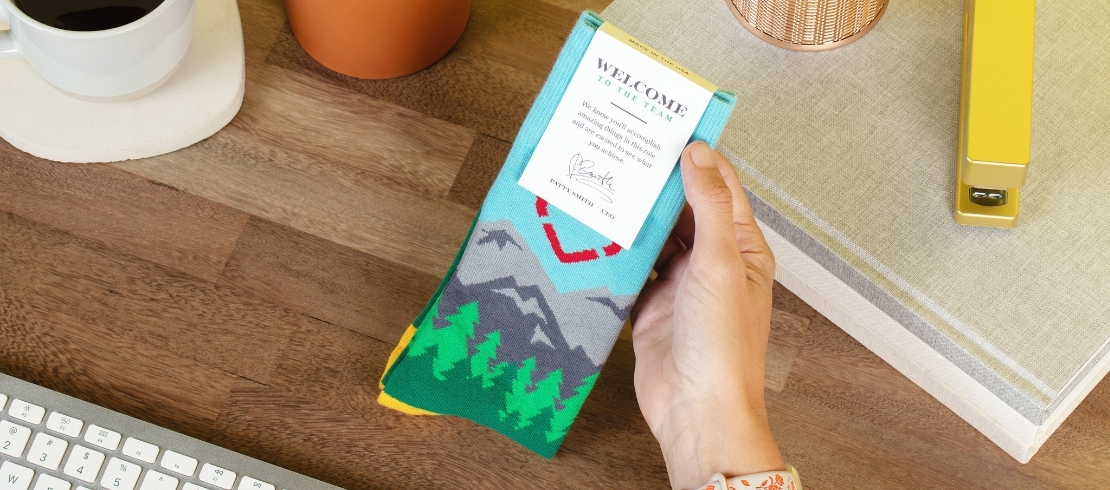
The welcome note comes from the hiring manager. The quick-start guide explains the first week. A notebook gives the employee space for questions. A pair of custom socks adds warmth and personality.
The socks are not the most expensive item in the box. They may be the one the employee remembers.
Seven Items That Earn Their Place
1. A Personal Welcome Note
Start with a real message.
A printed card from the manager or team lead feels more personal than a generic insert. Include the employee's name and one specific reason the team is glad they joined.

2. A First-Week Guide
Keep the guide short.
List the first meetings, important links, key contacts, and any setup steps. Avoid turning it into a full employee handbook.
3. A Quality Notebook
New employees collect a lot of information.
A sturdy notebook gives them one place to capture names, questions, and early ideas. Choose a clean design with subtle branding.
4. A Reliable Pen
A good pen sounds basic because it is basic.
That is also why it works. Pair it with the notebook and make sure it writes well.

5. A Pair of Custom Socks
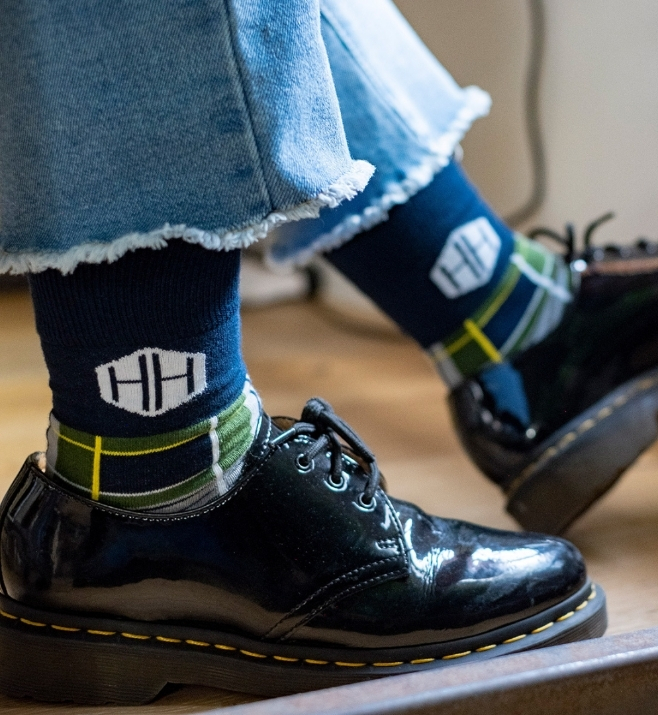
Socks can carry more personality than a standard logo item.
A tech company can build a pattern from product icons, code symbols, team jokes, or brand shapes. The result feels like company culture instead of an advertisement.
Sock Club's new-hire package examples show how companies use socks to help new employees feel part of the team.
6. A Useful Tech Accessory
Choose one item that fits the employee's real workday.
A cable organizer, webcam cover, laptop stand, or compact charger can make a good addition. Match the item to the equipment the company already provides.
7. A Small Comfort Item
Coffee, tea, snacks, or a soft desk item can make the kit feel generous without adding much complexity.
Ask about allergies and dietary needs before sending food.

Why Socks Work in an Onboarding Kit
T-shirts create sizing problems. Mugs can break in transit. Large water bottles take up space and cost more to ship.
Socks are compact, light, and easy to fit into a box. A one-size-fits-most option also reduces the number of variations the people team must manage.
They work in the office, at home, and during team events. They can feel playful without asking a new employee to wear a large company logo across their chest.
Sock Club offers custom employee appreciation socks with free design support, low minimums, and USA-made production.
Design for People, Not Just the Brand Guide
A wearable design starts with the brand. It should not stop there.
Use the company colors, but give the pattern a life of its own. A small logo can sit near the ankle while the rest of the sock uses icons, stripes, or shapes connected to the product.
Ask one simple question: Would someone wear this if they were not at work?
If the answer is yes, the design is probably headed in the right direction.
Plan for Remote Employees
Remote onboarding makes consistency more important.
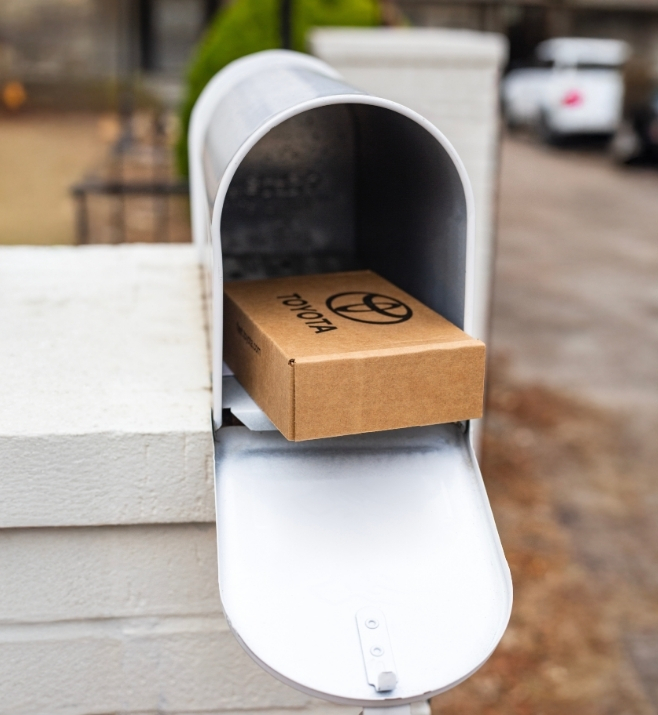
Set one packing standard. Keep addresses in a secure system. Confirm shipping timelines before the start date. Include tracking information when possible.
If you hire throughout the year, order core items in quantities that support several months of onboarding. Refresh printed materials separately when policies or links change.
A Simple Onboarding Kit Checklist
Before placing an order, confirm:
- The kit supports the first-week experience.
- Every item has a clear purpose.
- Branding feels thoughtful.
- Food and sizing needs are covered.
- The box can ship safely.
- The employee will receive it on time.
- Someone owns inventory and reordering.
A great onboarding kit does not need to be large. It needs to feel intentional.
Welcome People Like You Mean It
A new job comes with uncertainty. A thoughtful package can replace some of that uncertainty with excitement.
Give people tools they can use. Add a few details that show personality. Make the experience consistent for every employee.
When you are ready to add a wearable piece to your onboarding program, request free sock designs.