
Holiday Corporate Gifts 2026: The Definitive Buyer's Guide

Olivia Carmichael
September 2, 2026
A great corporate holiday gift makes someone feel remembered. A forgettable one feels like another item sent to satisfy a year-end checklist. The difference rarely comes down to price alone. It comes down to how well the gift fits the recipient, the occasion, and the practical realities of getting it into their hands.
That makes holiday gifting both a creative project and an operational one. HR teams may need to include hundreds of employees across multiple locations. Marketing teams may want to thank clients without overwhelming them with branding. Event planners may need one polished gift to work for an office party, remote staff, and international recipients at the same time.
This guide is designed to help those buyers make the right decisions. It covers audience, budget, product selection, personalization, packaging, fulfillment, timing, tax considerations, and vendor evaluation. It is a planning resource rather than a catalog, so you can use the framework whether you are comparing food gifts, apparel, experiences, charitable gifts, or a custom product.
Begin With a Clear Purpose
Before comparing products, decide what the gift needs to accomplish. An employee gift might recognize a year of hard work. A client gift might thank someone for a valuable partnership. A prospect gift might create a natural reason to reconnect. A channel-partner gift might support a shared campaign or celebrate a joint win.
Write that purpose in one sentence and use it as a filter. “We want every employee to feel included in our year-end celebration” leads to different choices than “We want our top clients to remember a major milestone we reached together.” The clearer the purpose, the easier it becomes to evaluate whether a gift is relevant or merely attractive.
It also helps to choose one practical measure of success. Depending on the program, that might be on-time delivery, recipient opt-in, thank-you replies, social shares, or evidence that people continue to use the item. A simple measure keeps the team focused when personal preferences start to drive the conversation.
Match the Gift to the Relationship
Corporate holiday gifts should reflect the relationship between the sender and recipient. One gift can sometimes serve several audiences, but the message, packaging, and delivery experience may still need to change.
Employees
For employees, inclusion and ease of distribution matter as much as the item itself. Consider different traditions, dietary restrictions, accessibility needs, apparel sizes, work arrangements, and locations before approving the gift. A product that is easy to hand out at headquarters may be costly or fragile when shipped to individual homes.
If the gift requires a size or flavor choice, make the selection process simple and private. Plan for recent hires, employees on leave, and people whose addresses may change before shipment. These details can feel secondary during the creative stage, but they determine whether the final experience feels thoughtful.
Clients
A client gift should match the tone and value of the relationship. Practical branded items can keep your company visible, but the brand should support the design rather than dominate it. A short personal note that refers to a shared project, milestone, or moment from the year often does more emotional work than a larger logo.
Check the recipient company's gift policy before sending anything, especially when the recipient works in a regulated industry or for a government entity. A well-intended gift can create an awkward situation if the person cannot accept it.
Prospects
For prospects, usefulness usually works better than extravagance. An expensive gift can create discomfort before a relationship exists, while a modest and relevant item can open the door to a genuine conversation. Keep the message warm and specific, and avoid turning the gift into a sales pitch.
Partners and Distributors
Partners and distributors may benefit from a co-branded gift that gives each organization a clear role. Decide early whether the partner needs the products in bulk, wants to add its own materials, or expects the vendor to ship directly to individual recipients. That choice affects design, packaging, data handling, and cost.

Build the Budget Around the Delivered Gift
Unit price is only one part of a corporate gifting budget. The useful number is the total cost of delivering a finished gift to each recipient.
Include every likely expense:
- Product cost
- Design and setup fees
- Personalization
- Packaging
- Kitting or assembly
- Address collection
- Shipping
- International duties and taxes
- Storage
- Replacement shipments
- Sales tax
Add a reasonable contingency for address corrections, damaged packages, and late additions. Then ask each vendor to quote the same quantity and scope of work. A product with a low unit price can become expensive when design, packaging, and fulfillment appear as separate line items.
Minimum order quantity deserves the same attention. Buying more units to reach a price break only saves money if you can use those units. Leftover inventory still belongs in the program's true cost.
Compare the Main Corporate Gift Categories
No category wins for every program. Each one solves a different set of problems, so start with the recipient experience and work backward.
Wearable gifts
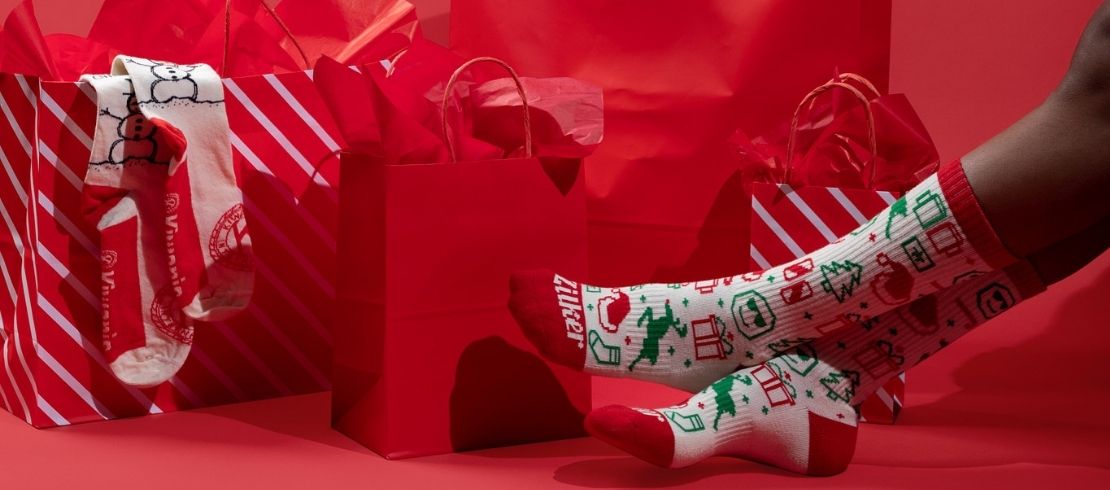
Socks, hats, and other apparel turn a brand into something useful. They work best when the artwork feels integrated into the product instead of added as an afterthought. Traditional apparel can create a complicated size-collection process, while one-size-fits-most products can make ordering and distribution easier.
Food and beverage gifts
Food feels generous and seasonal, and it can be shared with a household or team. It also requires careful planning around allergies, dietary restrictions, alcohol policies, shelf life, and delivery timing. Give recipients a private way to disclose restrictions, and confirm what happens if a perishable shipment is delayed.
Home and desk gifts
Blankets, drinkware, notebooks, and desk accessories can work across a broad audience. Before ordering, inspect the material quality and decoration method. For individually shipped programs, consider package weight and breakage risk as part of the product decision rather than a problem to solve later.
Experience gifts
Classes, local events, and team activities can create a shared memory. However, schedules, time zones, geography, and accessibility can make participation difficult. Offer a meaningful alternative rather than forcing every recipient into the same experience.
Choice-based gifts
A curated redemption store lets recipients choose an item they want. This model can reduce unwanted products, though it also gives up some of the surprise and cohesion of a shared gift. Review expiration dates, unclaimed-gift rules, customer support, and data-handling practices before selecting a platform.
Charitable gifts
A donation can express company values without adding another physical item. The gesture feels more personal when recipients can help select the organization. Explain the recipient organization and the intended purpose of the donation clearly.
Gift cards
Gift cards are flexible and easy to distribute, but they may feel less personal than a carefully selected item. They also have different payroll and tax consequences from occasional low-value physical holiday gifts for employees. Involve finance or a tax adviser before distributing them.
Plan Backward From the In-Hands Date
The most important date in a holiday gifting project is the in-hands date: the day the recipient needs to have the gift. It is not the purchase-order date, production-completion date, or ship date.
Start with the in-hands date and work backward through the full process:
- Final delivery buffer
- Carrier transit time
- Individual fulfillment or bulk receiving
- Kitting and packaging
- Production
- Sample or proof approval
- Design development
- Vendor selection
- Internal budget and legal approval
The schedule should reflect your actual program. International addresses, custom packaging, multiple designs, individual personalization, and changing recipient lists all require more time. Do not base the plan on a carrier's best-case estimate.
Ask the vendor to confirm the in-hands date in writing, along with every approval deadline required to protect it. If the schedule becomes tight, simplify the product or packaging before removing the delivery buffer. A slightly simpler gift that arrives on time creates a better experience than an elaborate one that misses the occasion.
Choose the Right Level of Personalization
Personalization does not have to mean putting a recipient's name on the product. A team color, local reference, shared milestone, or note from a leader can make a gift feel specific without turning every unit into a separate production job.
Brand-level personalization uses the same gift and message for everyone. It suits large programs and keeps fulfillment straightforward. Group-level personalization changes an element by office, department, customer tier, or region, adding relevance without creating a unique item for every person. Individual personalization can include names, personal selections, or unique messages, but it also adds more data, approvals, and production complexity.
Choose the level before design begins. If the program collects names, addresses, or preferences, gather only the information you need and decide when it will be deleted after fulfillment.
Make Packaging Part of the Plan
Packaging creates the first impression, but it also affects shipping cost, damage risk, and assembly time. Treat it as part of the product rather than a decorative decision at the end.
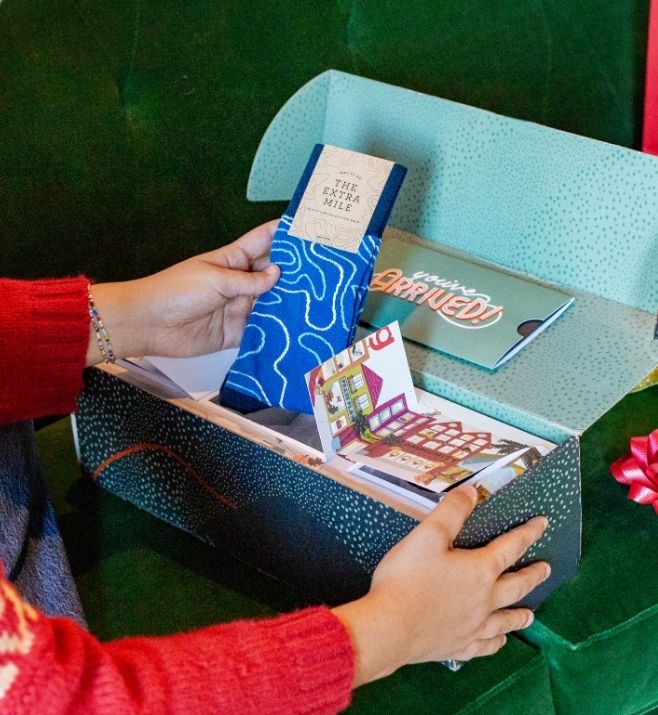
When packaging is custom, ask to review an assembled sample. Confirm that the product fits securely, the recipient message is easy to find, and the package can survive individual shipment. Check how the return address and shipping label will affect the presentation. If the package includes a QR code, test it from the final printed proof.
It is also worth asking whether recipients can easily separate the materials for disposal or recycling. Avoid adding filler or layers simply to make the gift appear larger. Good packaging should protect the product, carry the message, and make the gift easy to open.
Design an Inclusive Delivery Experience
Holiday programs often reach people with different traditions, work arrangements, and personal circumstances. Use language that fits the whole audience rather than assuming everyone celebrates the same event in the same way. Offer alternatives when food, alcohol, apparel sizing, or an experience could exclude someone.
For remote teams, give recipients control over where the gift is delivered. Use a secure address-collection process, set a clear deadline for changes, and do not expose home addresses in a shared spreadsheet. Decide in advance how the team will handle returned packages, employees on leave, recent hires, and people who leave the company before distribution.
These operational details are part of the gift. A great product cannot make up for a confusing form or a package sent to the wrong address.
Review Tax Rules and Gift Policies Early
Tax treatment depends on the recipient, the purpose, and the form of the gift. The IRS generally limits the business-gift deduction to $25 per recipient per tax year. Certain incidental costs may fall outside that limit when they do not add substantial value to the gift.
For employees, the IRS says occasional non-cash holiday gifts with a low fair market value may qualify as de minimis fringe benefits. Cash and cash-equivalent benefits, including most gift cards, do not qualify as de minimis benefits regardless of their value.
These federal rules do not resolve every state, payroll, or company-policy question. Ask a qualified tax professional to review the specific program, and keep timely records of the recipient, business purpose, item, cost, and date. Before shipping, also confirm any restrictions that apply to clients, government employees, or other regulated recipients.
Ask Vendors Questions That Reveal the Real Fit
A polished sample and an appealing unit price are useful, but they do not tell you how a vendor will manage the full program. Ask each supplier the same operational questions:
- What is the minimum per design, color, and size?
- What does the quoted price include?
- When does the production timeline begin?
- Does the timeline refer to production or delivery?
- How many design revisions are included?
- Will we approve a digital proof, a physical sample, or both?
- Where is the product made?
- What materials make up the product?
- Which packaging and kitting services are available?
- Can you ship to individual addresses?
- How do you protect recipient data?
- What happens if an item arrives damaged or late?
- Who owns the final artwork?
- Which product and sourcing claims can you document?
Once you choose a vendor, request a written scope that includes quantities, product versions, materials, packaging, shipping method, address responsibilities, approval dates, and the in-hands date. The goal is to make every important expectation visible before production begins.
Why Custom Socks Work for Holiday Gifting
Custom socks solve several common corporate gifting challenges. They are useful, compact, and easy to add to a card, box, or larger kit. Most programs can use a one-size-fits-most option, which avoids collecting a full set of apparel sizes. The design can also extend across the sock, giving brands room to use patterns, colors, and visual references beyond a single logo placement.
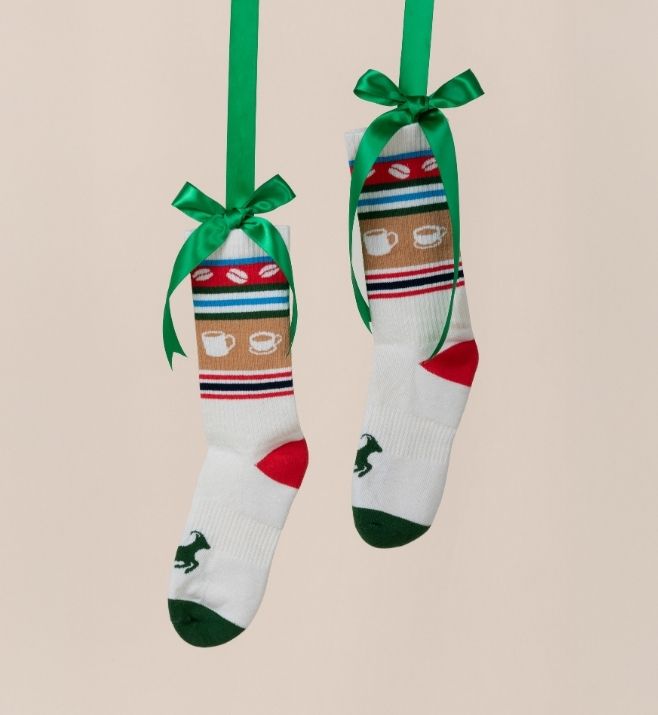
Sock Club's current holiday sock program starts at 30 pairs per design. Its flagship holiday product uses 75% U.S.-grown cotton, 21% nylon, and 4% spandex, and Sock Club knits it in North Carolina. The product page lists free design, custom packaging, and no setup or rush fees.
The same page says standard production takes five business days or fewer from design approval, while some core products are advertised as shipping in as few as three business days. The exact schedule depends on style, quantity, packaging, approvals, and destination, so buyers should confirm the final in-hands date before ordering. Gift-box options and direct shipping support are also available for distributed teams.
If custom socks could fit your employee or client program, request free sock designs and see how your brand could translate into a knitted holiday gift.
Final Approval Checklist
Before approving the purchase order, confirm that:
- The recipient list has a clear owner.
- The purpose of the gift is documented.
- The total delivered budget is approved.
- The minimum order matches the real quantity.
- The product's materials and origin are documented.
- The final proof uses the correct logo, colors, and message.
- The assembled packaging has been reviewed.
- Recipient selections and address changes have a deadline.
- The vendor has confirmed the in-hands date.
- The schedule includes a realistic delivery buffer.
- The plan covers damaged, returned, and replacement shipments.
- Finance or tax has reviewed gift-card and reporting questions.
- The team knows how it will evaluate the program.
Frequently Asked Questions
When should companies order holiday corporate gifts?
Begin as soon as the audience, budget, and in-hands date are known. Custom products and individual fulfillment require more time than in-stock items shipped in bulk. Build the schedule backward and leave room for design proofing, packaging, transit, and corrections.
How much should a company spend on a holiday gift?
There is no universal amount. Set the budget according to the relationship, company policy, compliance requirements, and total delivered cost. Apply the same logic consistently within each recipient group.
What makes a corporate holiday gift feel thoughtful?
A thoughtful gift fits the recipient and has a clear reason behind it. Useful design, restrained branding, and a specific message usually matter more than physical size.
Are gift cards taxable to employees?
The IRS says cash and cash-equivalent fringe benefits, including most gift cards, do not qualify as de minimis benefits. They generally require different treatment from occasional low-value physical holiday gifts. Ask payroll or a tax adviser to review the specific program.
How can a company send gifts to remote employees?
Use a secure process to collect and confirm addresses. Set a deadline for changes, choose packaging that can withstand individual shipment, and ask whether the vendor can kit, label, and ship each package directly. Include returned and replacement shipments in the plan.
Should a corporate holiday gift include a logo?
A logo can make sense when it supports the design and occasion. Keep it proportional to the relationship, and make sure the item still feels useful when the recipient is not at work.